The First Mile Problem, part II: How a regional reverse supply chain would work

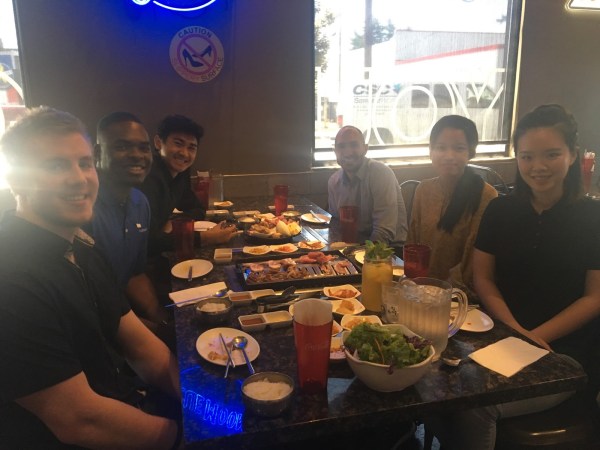
Solving the First Mile Problem, or how to get reusable goods into the market and out of the landfill, isnโ€™t a faraway goal โ€” itโ€™s achievable and cost-effective today using a geography-based reverse supply chain. To test this idea, I worked with a group of graduate supply chain management students at Portland State Universityโ€™s School of Business to prove out the operational feasibility study.

The First Mile Problem, part I: Getting reusable goods back into the market and out of the landfill

The U.S. needs a new solution, and an additional channel, to collect reusable goods from homes and back into a usable market. Otherwise we canโ€™t get out of our current channel situation, where materials that are in good condition, and of value to other people in our society, will continue going to the landfill. This is the First Mile Problem: How can we maximize the collection of reusable goods and get them into a reverse supply chain channel โ€” a first mile of collection โ€” and do so in a cost-effective manner?

2019 internship recap

A degree is a wonderful achievement, and adding professional experience puts students in an even better position to land their dream job upon graduation. I interviewed a few of our students with internships over the past year, all of them noted how their graduate coursework helped them thrive as interns. Check out the testimonials to catch up on what our students have been up to.

Blog at WordPress.com.

Up ↑